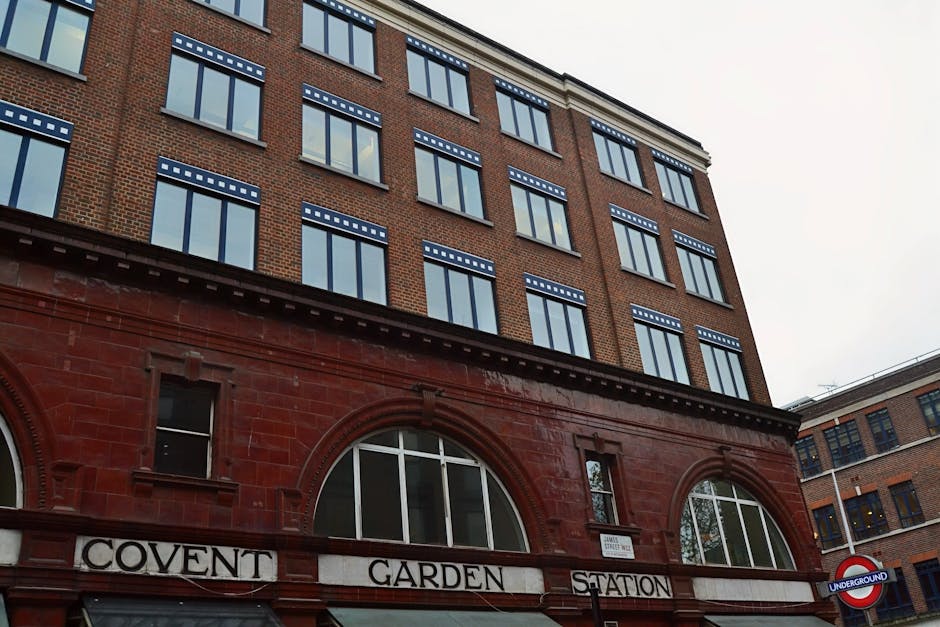
Best gardeners for courtyard flats near Blackfriars Station
Finding the Best gardeners for courtyard flats near Blackfriars Station is a bit more specific than booking a general gardener. Courtyard flats have their own quirks: limited access, shared boundaries, awkward light, containers that dry out too fast, and neighbours who notice every noisy half-hour. You need someone who understands compact urban spaces and can keep them looking calm, tidy, and genuinely welcoming without turning the place into a construction site.
That is the real challenge. A courtyard garden can look beautiful, but it also needs regular, careful upkeep. The right gardener will know how to work neatly, respect shared access, and choose maintenance methods that suit a small outdoor space rather than treating it like a suburban lawn. In this guide, you will find what to look for, how the service works, what benefits matter most, and the mistakes that catch people out. It is practical, honest, and aimed at helping you choose well.
Expert summary: For courtyard flats, the best gardener is usually the one who works cleanly, communicates clearly, and understands that small spaces need precision more than heavy-handed effort.
Table of Contents
- Why this matters
- How the service works
- Key benefits and practical advantages
- Who this is for
- Step-by-step guidance
- Expert tips for better results
- Common mistakes to avoid
- Tools, resources and recommendations
- Law, compliance and best practice
- Options, methods and comparison
- Case study example
- Practical checklist
- Conclusion
- Frequently asked questions
Why Best gardeners for courtyard flats near Blackfriars Station Matters
Courtyard flats near Blackfriars Station sit in one of those classic central London settings where outdoor space is precious and often overlooked. The garden may only be a few metres across, but it can still carry a lot of weight in daily life. It is where morning coffee happens, where plants soften hard brick and stone, and where a small patch of green makes a flat feel less boxed in. When it is neglected, though, the whole place can feel tired in a hurry.
This is why the right gardener matters so much. A courtyard is not just a mini version of a larger garden. It has different maintenance needs. Sun and shade can shift dramatically through the day because of surrounding buildings. Wind can funnel through narrow gaps. Drainage can be awkward. Planters can become overcrowded, and climbing plants can get out of hand before anyone notices. A gardener who understands these pressures will keep things neat without stripping away the character of the space.
There is also the practical side. In flats, access is often shared, timing matters, and noise needs to be handled with care. You do not want someone dragging muddy tools through a communal entrance at 8am on a Saturday. To be fair, that is the sort of thing that quickly turns a small job into a neighbour issue. The best gardeners for courtyard flats work with discretion as well as skill.
If you are comparing options, it can help to look at a provider's broader service structure too. For example, a team that covers garden maintenance, lawn mowing, hedge trimming, and garden clearance is often better placed to handle the mixed needs of a courtyard than someone offering only one-off tidy-ups.
How Best gardeners for courtyard flats near Blackfriars Station Works
In practice, the process starts with a quick assessment of the space. A good gardener will look at access, planting, drainage, waste removal, and what type of maintenance the courtyard actually needs. That first conversation matters more than people think. A tiny courtyard might need little more than pruning, container refreshes, weeding, and a tidy of pathways. Another might need more involved work because the planting scheme has become dense, the paving is slippery, or the soil in containers has lost structure.
After that, the service is usually shaped into a maintenance plan. This may be weekly, fortnightly, monthly, or seasonal. Courtyard flats often benefit from lighter but more regular visits rather than occasional deep cleans. That keeps the space looking consistently cared for, which is especially useful when you are living in a high-density area where first impressions matter. The view from the sitting room feels different when the outside space is crisp and balanced. You notice it every time you open the blinds.
Depending on the condition of the courtyard, work might include:
- deadheading and cutting back tired growth
- weeding borders, beds, and pavers
- refreshing pots, containers, and raised planters
- light pruning and shaping
- leaf clearance and debris removal
- hedge and boundary trimming
- lawn care if there is a small grass section
- plant replacement and seasonal rebalancing
- pressure-free, careful cleaning around hard surfaces where appropriate
If the courtyard is cluttered after a long period without upkeep, a more thorough reset may be needed first. In that case, a service like garden clearance can help create a clean starting point before routine care begins. That often makes the ongoing maintenance easier and, frankly, a bit less expensive over time because the gardener is not fighting through months of build-up.
Key Benefits and Practical Advantages
There are a few clear reasons why specialist gardeners are worth seeking out for courtyard flats. The biggest one is control. Small spaces magnify every detail. A hedge that is slightly uneven, a pot that is overwatered, or a trail of weeds along paving can make the whole courtyard look untidy. A good gardener knows how to bring order without making the space feel overworked or bare.
Another benefit is time. Courtyard gardens often look easy to maintain because they are small. In reality, the opposite can be true. Every decision is visible. A fast tidy can become a fiddly series of small tasks, especially if access is awkward or if there are mature plants packed into containers. Professional help frees up your time and removes the nagging feeling that you should be out there deadheading something every other evening.
You also get better plant health. Courtyards can be harsh environments. They may be shaded by tall buildings or overheated by reflected light. Plants can dry out quickly, especially in terracotta or shallow planters. A trained gardener will notice what is struggling early, rather than waiting until a plant is half gone. That kind of attention saves money and disappointment.
There is a design benefit too. Even in a compact courtyard, the right arrangement can make the space feel larger, calmer, and more useful. A skilled team offering landscape gardening or broader landscaping support can help you improve flow, soften hard edges, and make the space work harder visually. You do not need a dramatic makeover. Sometimes it is just the right plant in the right corner. Simple, but very effective.
Who This Is For and When It Makes Sense
This service makes sense for a lot of people, but especially for flat owners, tenants, landlords, and managing agents responsible for shared or private courtyard spaces. If your outdoor area is visible from several windows, or if it is used as a communal entry point, regular care tends to pay off quickly. A neglected courtyard can quietly drag down the feel of an otherwise well-kept property.
It is also a strong option if you have recently moved into a flat and the outside space is not quite how you want it yet. Perhaps the containers are full of tired shrubs, the paving has a film of grime, or there is a strange tangle of plants that no one has touched for a year. That is normal. Very normal. The right gardener can help reset the place without making you feel like you have inherited a jungle.
You may also need this service if:
- you travel often and cannot keep up with regular maintenance
- your courtyard gets patchy light and plants need careful selection
- you want a tidy space for guests or tenants
- you manage a rental property near Blackfriars Station
- you need seasonal planting changes but not a full redesign
- shared access means the work has to be quiet, clean, and efficient
Not every courtyard needs the same level of attention. A little balcony-style planter area might only need periodic maintenance. A larger shared courtyard, on the other hand, may require more structured care and occasional upgrades. The important thing is matching the gardener to the job rather than assuming any garden service will do. Truth be told, that is where a lot of disappointment starts.
Step-by-Step Guidance
If you want to choose the right gardener for a courtyard flat near Blackfriars Station, it helps to break the process down. Otherwise it all becomes a blur of quotes, promises, and nice-sounding words. And no one needs that.
- Assess the space honestly. Look at what is actually there: containers, paving, borders, trees, hanging plants, drainage points, and access routes. Make a note of what frustrates you most.
- Decide whether you need maintenance, clearance, or design help. Routine upkeep is different from a one-time reset. If the courtyard has become very overgrown, start with clearance. If it is already in decent shape, maintenance may be enough.
- Check the gardener's experience with small urban gardens. Courtyards near busy central locations need a tidy, efficient approach. Ask how they handle access, waste, and timing.
- Ask what is included. Will they weed, prune, feed, replant, sweep, and remove waste? Or is the visit limited to basic tidying? Get clarity before anyone starts.
- Consider how often the work will be needed. Monthly care might suit a small, low-pressure courtyard. Weekly or fortnightly visits may be better if you have planting that changes with the seasons.
- Review safety and insurance information. A reliable provider should be comfortable discussing safe working practices and how they manage equipment in shared spaces.
- Book a first visit and watch the details. Good gardeners tend to be neat, observant, and steady rather than flashy. In a small courtyard, that matters a lot.
One useful thing to ask is how they would handle the space through spring, summer, and the darker months. Courtyards in central London can behave very differently across the year. A gardener who already thinks ahead about seasonal pressure is usually one worth keeping.
Expert Tips for Better Results
If you want the best outcome, work with the garden rather than against it. Courtyard flats are usually defined by structure: walls, fencing, paving, planters, and compact planting zones. That means the style should lean into simplicity and clarity. Overcrowding is one of the fastest ways to make a small garden feel smaller.
Here are a few practical tips that really help:
- Use fewer, stronger plants. A restrained planting scheme usually looks better than lots of tiny competing plants.
- Keep some negative space. Empty space is not wasted space. It gives the eye somewhere to rest.
- Choose plants for microclimate, not just appearance. If the courtyard is shady, dry, windy, or enclosed, pick accordingly.
- Prioritise access. Leave enough room for bins, deliveries, and cleaning. Beautiful but impractical layouts get annoying fast.
- Refresh containers regularly. Pots can look tired surprisingly quickly in urban settings.
- Think about the view from inside. For flat owners, the garden is often experienced through a window first. That view matters more than people realise.
A small aside: one of the best courtyard transformations I have seen was not a grand redesign at all. It was simply a matter of removing three overcrowded planters, rebalancing the remaining ones, and introducing better spacing. The whole place breathed again. Quietly impressive, actually.
If you are planning longer-term improvements, a provider that also offers decking services may be useful where the courtyard needs a more usable surface for seating or lighter outdoor living. Not every courtyard is right for decking, of course, but in some flats it gives a cleaner and more comfortable finish than worn, patchy ground.
Common Mistakes to Avoid
The most common mistake is choosing based on price alone. A courtyard garden may be small, but awkward access, careful plant work, and clean waste handling still take time. If a quote looks too cheap, ask what has been left out. Sometimes the answer is: quite a lot.
Another mistake is overplanting. It is tempting to fill every corner, especially when a courtyard feels bare. But dense planting can lead to poor airflow, water stress, and a cluttered feel. The garden may look full for a month and then become chaotic. Less can genuinely be more here.
People also forget to plan for maintenance. A courtyard that looks lovely after one visit can drift back into disorder if no schedule is set. This is especially true near busy central areas where the pace of life does not leave much room for weekend gardening. A regular routine matters.
Other errors to avoid include:
- ignoring drainage or standing water problems
- choosing plants without considering shade from surrounding buildings
- using bulky furniture that overwhelms the space
- not asking how waste will be removed
- booking work without checking access restrictions or neighbour sensitivities
- letting hedges and climbers spread before they're properly shaped
And yes, sometimes people wait until the space is so overgrown that it becomes emotionally hard to start. Happens all the time. The good news is that a tidy reset is usually possible.
Tools, Resources and Recommendations
You do not need to become a gardener yourself to manage a courtyard well, but it helps to understand the basic tools and methods a good team may use. That way, you know what sensible work looks like and can spot the difference between careful maintenance and rushed tidying.
Common tools and approaches include hand pruners, loppers, secateurs, lightweight hedge trimmers, sweeping tools, soil improvers, watering cans or hoses where access allows, and plant supports for climbers or top-heavy stems. In small spaces, hand tools are often preferable because they offer more precision and create less mess.
Useful recommendations for courtyard flats include:
- Keep a simple plant map. Even a basic note on your phone can help track what is planted where.
- Use containers with drainage holes. Sounds obvious, but it is often overlooked.
- Group plants by water needs. This makes watering easier and less wasteful.
- Choose durable surfaces. Courtyards often get a lot of foot traffic in a small area.
- Set a seasonal review point. Spring and early autumn are good times to reassess what is thriving.
If you are collecting quotes or comparing service breadth, the provider's services overview and pricing and quotes pages can be useful starting points. They help you understand what kinds of work are available and how the process is organised before you commit.
For clients who care about responsible disposal and sensible reuse of garden materials, a company that shares its approach to recycling and sustainability is usually a safer bet. In a city setting, waste handling is not a minor detail. It is part of the service.
Law, Compliance, Standards, or Best Practice
For courtyard flats, the legal and practical expectations are mostly about doing the job safely, respectfully, and without causing avoidable nuisance. That means working carefully in shared access areas, managing tools properly, and handling garden waste in line with normal UK waste responsibilities. You should expect a professional gardener to understand the basics of safe working, liability cover, and clear communication about what is and is not included.
In a residential building, best practice often matters as much as formal rules. For example, gardeners should avoid blocking entrances, leaving debris in communal pathways, or using equipment in a way that disturbs neighbours unnecessarily. If tree work is involved, it should be treated with additional care because height, falling material, and access issues can increase the risk. That is where a service like tree lopping and removal becomes relevant, but only when the work genuinely requires it.
Insurance and safety also matter. A professional provider should be able to explain how they reduce risk on-site and how they work around awkward features like narrow passageways, shared courtyards, or delicate paving. If you want reassurance on this point, a page such as insurance and safety can show how the business frames its responsibilities.
It is also sensible to check how a company handles customer concerns and policies. Pages such as health and safety policy, complaints procedure, and terms and conditions can help you judge how organised and transparent the service is. Not glamorous reading, I know. But useful. Very useful.
Options, Methods, and Comparison Table
Not every courtyard needs the same approach. Some benefit from a tidy maintenance plan, while others need a design refresh or a full clearance first. Choosing the right type of support saves time and avoids paying for work you do not need.
| Option | Best for | Typical outcome | Things to watch |
|---|---|---|---|
| Routine garden maintenance | Courtyards already in decent condition | Steady, tidy, reliable appearance | Needs regular visits to stay effective |
| Garden clearance | Overgrown, cluttered, or neglected spaces | Clean reset and easier future upkeep | May be more intensive at the start |
| Landscape gardening | Courtyards needing a better layout or planting structure | Improved flow, balance, and use of space | Usually best alongside ongoing care |
| Landscaping with hard features | Spaces needing surfaces, structure, or usability improvements | More defined and functional courtyard | Requires careful planning in compact areas |
| Targeted services like hedge trimming or lawn mowing | Courtyards with specific maintenance needs | Sharper finish and cleaner edges | May not solve wider garden issues |
In a courtyard flat near Blackfriars Station, the smartest option is often a combination. For instance, a first visit may involve clearance and basic shaping, followed by regular maintenance and occasional seasonal improvements. That layered approach usually feels more sustainable than trying to do everything in one hit.
Case Study or Real-World Example
Imagine a small courtyard behind a flat a short walk from Blackfriars Station. It has a mix of paving, two tired planters, a narrow strip of soil, and a climbing plant that has taken over one wall. The residents like the space, but no one has had a proper plan for it. Leaves gather in corners, one planter dries out every few days, and the whole area looks a little forgotten by late summer.
A practical gardener would usually start by clearing debris, pruning back overgrowth, and identifying what can be saved. The climbing plant might need training rather than removal. The planters could be simplified and refreshed with hardier, lower-maintenance plants. If the soil strip is too dry or patchy, it might be better to reduce the number of plants there and focus on a stronger container scheme instead. That sounds small, but it changes the whole feel of the courtyard.
After the reset, a light maintenance schedule keeps the space under control. The paving gets swept, edges are trimmed, and the planting stays balanced. The courtyard doesn't need to shout. It just needs to feel cared for. And that is usually enough to make a flat feel much more peaceful, which is half the point really.
Practical Checklist
Use this checklist when choosing the best gardener for a courtyard flat near Blackfriars Station:
- Do they have experience with small urban courtyards?
- Can they work neatly in shared or restricted access areas?
- Do they explain exactly what is included in the visit?
- Can they handle clearance, maintenance, and light improvements if needed?
- Do they discuss waste removal and tidiness after the job?
- Are they clear about scheduling and frequency?
- Do they seem comfortable with seasonal changes and plant health?
- Have they provided sensible pricing information?
- Do their safety and insurance details feel clear and professional?
- Do they communicate in a straightforward, reassuring way?
One extra thought: if you feel rushed during the quote stage, pause. A good provider should leave you feeling clearer, not more confused.
Get a free quote today and see how much you can save.
Conclusion
The best gardeners for courtyard flats near Blackfriars Station are not necessarily the loudest marketers or the cheapest option. They are the ones who understand small-space gardening, respect residential settings, and know how to keep a compact courtyard looking fresh without creating hassle. In a place where every square metre counts, that mix of care and efficiency really matters.
If your courtyard has started to feel crowded, dull, or just a bit too hard to manage, the right gardener can turn it back into a calm, useful part of the flat. Not overnight, maybe, but properly. And that is the key. A good outdoor space should make life feel lighter when you step outside, even if it is only for a minute with a mug of tea before work.
Choose carefully, ask sensible questions, and look for evidence of steady workmanship rather than glossy promises. The right fit is out there, and once you find it, you will wonder why you left the courtyard waiting so long.
Frequently Asked Questions
What makes a gardener suitable for a courtyard flat rather than a larger garden?
A gardener for a courtyard flat should be good at precision work, access management, and tidy finishes. Small spaces show every mistake, so attention to detail matters more than broad, heavy maintenance.
How often should a courtyard garden near Blackfriars Station be maintained?
It depends on the planting and how much the space is used, but many courtyard flats benefit from monthly or fortnightly maintenance. Heavily planted or high-visibility spaces may need more frequent visits.
Can a gardener help if the courtyard is badly overgrown?
Yes. In that case, a clearance visit is often the best starting point before regular maintenance begins. This makes the space easier to manage and usually gives better results long term.
Is regular garden maintenance better than one-off visits?
For courtyard flats, regular maintenance is usually better because the space is small and changes show quickly. One-off visits can help, but they rarely keep the courtyard looking its best on their own.
What should I ask before booking a gardener?
Ask what is included, how often the work should happen, whether waste is removed, and whether they have experience with small urban gardens. Those questions usually tell you a lot very quickly.
Do courtyard gardens need different plants from other gardens?
Often, yes. Courtyards can be shadier, windier, or drier than open gardens. Plants need to suit the microclimate, not just look good in a picture. That makes a big difference.
Can landscaping help a small courtyard feel bigger?
Absolutely. Better layout, simpler planting, and smarter use of surfaces can make a courtyard feel more open and balanced. Even modest changes can have a strong visual effect.
What is the difference between garden clearance and garden maintenance?
Garden clearance is usually about removing overgrowth, debris, and clutter to create a clean start. Garden maintenance is the ongoing work that keeps the space in good shape afterwards.
Are gardeners used to working around shared entrances and neighbours?
Professional gardeners should be. In flats, access and noise need to be handled carefully, and the work should be neat enough not to disrupt residents unnecessarily.
How do I know if a quote is reasonable?
A sensible quote should explain what is being done, how long it will take, and whether materials or waste removal are included. If it feels vague, ask for a clearer breakdown before agreeing.
Should I choose hedge trimming or broader maintenance for a courtyard?
If the issue is only one feature, targeted help may be enough. But if the whole space looks untidy, broader maintenance is usually the better choice because it deals with the overall balance of the courtyard.
Where can I learn more about the company before booking?
Useful starting points include the about us page for background and the contact us page if you want to make an enquiry. That simple check can tell you a lot about how a provider works.