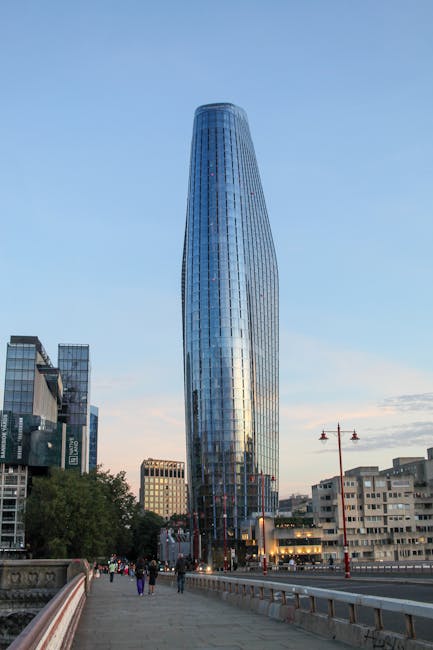
Gardeners for flats near Blackfriars Bridge difficult access: how to get reliable care when space, stairs, and tight access get in the way
Finding gardeners for flats near Blackfriars Bridge difficult access can feel like a small logistical puzzle that quickly turns into a bigger one. You may have a balcony garden tucked behind a narrow hallway, a courtyard reached through a service entrance, or a roof terrace that sits several floors up with nowhere sensible to leave tools. The plants still need water, pruning, clearance, and seasonal care. The access, on the other hand, can be a bit of a nightmare.
That is exactly why specialist flat-garden maintenance matters. Not because the work is unusual, but because the route in, the working space, the timing, and the building rules all shape how the job gets done. In this guide, we will break down what difficult-access gardening actually involves, how it works in practice, what to expect from a professional team, and how to avoid the common mistakes that waste time and money. If you live in a riverside apartment, a managed block, or an upper-floor flat around Blackfriars Bridge, this should help you make a sensible decision without overcomplicating it.
Why Gardeners for flats near Blackfriars Bridge difficult access Matters
Flat gardens are often smaller than house gardens, but they can be more awkward to maintain. The issue is rarely the plants themselves. It is the access. Long internal corridors, lifts that are too small for bulky equipment, narrow stairs, shared entrances, limited parking, and building rules all create friction. By the time someone has carried watering cans, bags, and tools upstairs twice, the job is no longer simple. It is just tiring.
Near Blackfriars Bridge, that challenge can be even more noticeable. You are dealing with central London realities: busy streets, loading restrictions, shared access points, and buildings where a polite conversation with the porter matters almost as much as a pruning saw. To be fair, this is not about drama. It is about planning. A good flat-garden gardener understands that a neat balcony or courtyard might need more preparation than a larger suburban lawn.
Why does that matter? Because difficult access changes what is possible on site. It affects whether waste can be removed in one visit, whether hedge trimming can be done safely, whether large pots need repositioning, and whether the job should be split across two appointments. Without that awareness, you end up with rushed work, damaged plants, or an exhausted resident trying to tidy up the bits left behind. Nobody wants that. Nobody.
If you are comparing service types, it can help to think beyond a standard mow-and-go visit. Flat-garden care may overlap with routine garden maintenance, but the access plan is part of the service, not an afterthought. In some cases, you may also need garden clearance if the space has been left to build up for a while and bulky waste needs careful removal.
How Gardeners for flats near Blackfriars Bridge difficult access Works
Good difficult-access gardening starts before anyone lifts a tool. A sensible provider will ask how the garden is reached, where parking or unloading is possible, whether there is lift access, and whether the building has any rules about working hours or waste removal. That early conversation saves a lot of hassle later.
In practice, the job usually follows a simple pattern:
- Initial assessment. You explain the layout, the access route, the size of the garden, and the tasks needed.
- Planning. The gardener decides what equipment can realistically be brought in, how waste will be carried out, and whether the visit needs extra time.
- Arrival and protection. Tools are moved carefully through shared areas, with attention to cleanliness and noise. In a well-run visit, floors, walls, and communal spaces are respected.
- Work in sections. Rather than trying to do everything at once, the space is usually divided into manageable parts.
- Waste handling. Green waste, cuttings, and debris are bagged, stacked, or removed according to the site conditions.
- Final tidy. The space is checked so it looks finished, not merely cut back.
That might sound straightforward, but the difference is in the details. A rooftop terrace with a lot of container plants needs a different approach from a small internal courtyard with no direct vehicle access. Likewise, a flat with a shared lift may require quieter timing than a ground-floor courtyard with a service gate. Good local teams are used to that. They do not force a house-garden process onto a flat-garden problem.
It is also common for the scope to include more than one task. For example, a visit may involve hedge trimming, light planting, deadheading, lawn care in a small communal patch, and minor clearance. The most efficient approach is usually to treat it as a joined-up maintenance job rather than five separate mini visits.
Key Benefits and Practical Advantages
There are some clear advantages to choosing gardeners who understand difficult access. The first is simple: less stress for you. If you have ever tried to drag a compost sack through a narrow lobby, you already know the feeling. A capable team comes prepared, works neatly, and reduces the chance of awkward surprises on the day.
Here are the main benefits people notice:
- Cleaner access handling. Tools, bags, and clippings are moved with less disruption to neighbours and building users.
- Better planning. The work is organised around the actual route in, not an idealised one.
- Less damage risk. Walls, lifts, thresholds, and planted areas are less likely to get knocked or scuffed.
- More efficient visits. The right team can finish more in one appointment because they have planned for the site properly.
- Improved plant health. Regular maintenance stops a small balcony garden from becoming overgrown and stressed.
- Better use of limited space. In a small flat garden, every inch matters. One missed pruning or loose pile of debris can make the whole area feel cluttered.
There is a quieter benefit too: confidence. When you know the gardeners are used to awkward buildings and constrained spaces, you stop worrying about the basics. Will they fit through the stairwell? Will the bins overflow? Will they leave mud on the communal floor? Those concerns fade, and honestly, that is half the battle.
For some properties, a maintenance-first approach is also the most sensible route financially. A little regular care can prevent expensive catch-up work later. If you have ever seen a balcony planter left untended through a wet winter, you will know how quickly a tidy corner can become a heavy, tangled mess. Not pretty. Not cheap, either.
Who This Is For and When It Makes Sense
This service is not only for luxury penthouses or high-end roof terraces. It is for anyone whose garden space is good in theory but awkward in practice. If you live in a flat near Blackfriars Bridge and think, "Well, the garden is tiny, but it is a pain to get to," then yes, this is for you.
Typical situations include:
- upper-floor flats with balcony planters and limited lift access
- courtyard gardens reached through shared hallways
- managed blocks where access must be booked or supervised
- roof terraces with restricted carrying routes
- small communal garden spaces behind apartment buildings
- properties where waste has to be moved carefully through internal areas
It also makes sense when the garden has drifted beyond a quick tidy. If you need seasonal pruning, overgrowth control, or a fresh start before spring or autumn, a team experienced in hedge trimming and structured maintenance will usually be a better fit than someone who only turns up for very simple jobs.
And if your space includes shrubs, awkward corners, or a tired planting scheme that needs a rethink, it may be worth speaking to a provider offering landscape gardening or broader landscaping support. Sometimes the answer is not just more maintenance. Sometimes the layout needs improving so it works better for a flat lifestyle.
Step-by-Step Guidance
If you are arranging work for a difficult-access flat garden, this is the practical route I would suggest. Nothing fancy. Just a clean, sensible process.
- Describe the access honestly. Mention stairs, lifts, narrow doors, locked gates, concierge arrangements, and whether parking is a problem. Do not soften it. Awkward is awkward.
- List the actual garden tasks. Be specific: mowing, cutting back, weeding, clearing leaves, pot rearranging, trimming, or waste removal.
- Explain site rules. If your building has time windows, noise limits, or a loading point, say so early.
- Ask how tools and waste will be managed. This is a very normal question, and a good one. Where will bags go? How will clippings leave the building?
- Check whether photos help. Sometimes a few pictures of the route, the entrance, and the garden save everyone time. A tiny hallway can look normal in a message and then turn out to be, well, a bit less generous in person.
- Confirm timing. Try to avoid building rush hours if lift or corridor access is likely to be shared.
- Prepare the space before the visit. Move personal items, unlock access points, and clear the route if you can.
- Review the finished work before the team leaves. Look at edges, waste removal, and any delicate planting. It is easier to correct small things immediately.
A useful rule of thumb: the more difficult the access, the more useful a site walkthrough or a detailed photo briefing becomes. That is not overkill. It is just smart. A minute spent explaining the route can save a half-hour of carrying things back and forth like a mildly chaotic gym session.
If your garden includes turf or compact lawns in communal or private areas, you may also want to ask about lawn mowing as part of a planned visit, rather than as a one-off emergency job. Small spaces still need rhythm.
Expert Tips for Better Results
Over time, one thing becomes obvious: difficult-access jobs go better when they are treated as logistics plus horticulture, not horticulture alone. A few practical tips make a real difference.
- Keep access paths as clear as possible. Even a narrow route becomes easier if loose items are removed first.
- Choose lighter, modular tools where possible. For tight stairwells or upper floors, compact equipment can be a lifesaver.
- Schedule maintenance before growth gets out of hand. A small, regular job is easier than a large, tangled one. Obvious, but true.
- Use containers wisely. In flat gardens, the right pots and planters can reduce constant rework and make watering more predictable.
- Think in seasons. Spring tidy-ups, summer shaping, autumn leaf removal, and winter protection each need a slightly different approach.
- Ask for waste handling to be included in the plan. It sounds minor until you are left with five bags and no easy way to move them.
One small but useful insight: plants in exposed flat gardens often dry out or get wind-battered faster than people expect. Roof terraces and higher balconies can be brilliant, but they are not sheltered suburban borders. Watering, pruning, and wind exposure all matter more than they might in a ground-level setting.
If your space tends to collect clutter, debris, or old planting materials, a periodic garden clearance can reset the garden before normal maintenance takes over again. That kind of reset is often the difference between "we can manage this" and "this needs a proper intervention."
Common Mistakes to Avoid
Most problems with flat-garden jobs are preventable. The trouble is, people often only discover them on the day.
Here are the mistakes that come up most often:
- Under-explaining access. "It's a bit awkward" can mean almost anything. Stairs, codes, gates, lifts, and porters should all be mentioned clearly.
- Booking the wrong type of gardener. Someone who is fine for easy domestic lawns may not be set up for a challenging central-London flat.
- Leaving waste plans vague. If no one knows how clippings will leave the building, the finish can become messy.
- Ignoring building rules. Shared spaces matter. Noise, timings, and common areas need to be handled politely.
- Letting the garden get too overgrown. Once access becomes harder because the space is crowded, every task takes longer.
- Choosing price alone. Cheapest is not always cheapest if the team needs multiple visits or leaves the site half-finished.
Another one that catches people out: forgetting that outdoor space on a flat often includes more than plants. It might also include timber features, edging, steps, or a small decked zone. If so, separate tasks such as decking services may be relevant too, especially where slipperiness, wear, or loose boards become part of the maintenance picture.
Truth be told, the most expensive mistake is usually assuming the access problem will sort itself out once the gardener arrives. It won't. Not really.
Tools, Resources and Recommendations
You do not need to become a gardening equipment expert to manage a flat garden well, but it helps to know the kinds of tools and service supports that make difficult-access work easier.
| Need | Useful approach | Why it helps in a flat with difficult access |
|---|---|---|
| Routine upkeep | Scheduled visits through garden maintenance | Stops small jobs from becoming heavy, time-consuming clean-ups |
| Overgrowth control | Hedge trimming and targeted pruning | Keeps routes clear and prevents the space from feeling boxed in |
| Whole-space reset | Garden clearance | Useful when the garden has become cluttered or neglected |
| Layout improvement | Landscape gardening | Helps awkward spaces function better for daily use |
| Ongoing planning | Services overview | Useful if you are deciding which tasks need priority first |
For trust and process questions, it is worth looking at practical business pages rather than making assumptions. The team's approach to insurance and safety can matter a great deal when tools are being moved through shared areas. Likewise, if you care about how waste is managed, the page on recycling and sustainability can give you a better sense of their working habits.
When you are weighing up whether to proceed, a clear written price structure also helps. The page on pricing and quotes is the sort of thing you want to read before agreeing to anything, especially if access will affect the time needed on site.
Law, Compliance, Standards, or Best Practice
For flat gardens, compliance is usually less about dramatic legal complexity and more about doing the basics properly. That includes respecting building rules, keeping communal areas clean, and working safely around residents and neighbours. In managed blocks, there may be access arrangements, booking windows, noise expectations, and waste-handling rules that need to be followed. None of that is glamorous, but it matters.
From a best-practice point of view, a competent gardener should think about:
- Safe movement of tools. Avoiding unnecessary obstruction in stairs, corridors, and entrances.
- Protection of shared areas. Leaving communal floors, walls, and doors in the same condition they were found.
- Noise awareness. Especially in apartments where neighbours are close by and sound carries.
- Waste handling. Removing or bagging clippings neatly and not leaving bags in shared spaces.
- Clear communication. Agreeing on access, timing, and site restrictions before arrival.
It is also sensible to review business policies that show how a provider works. For example, a clear health and safety policy suggests the team is thinking beyond the plants. An accessibility statement can be a good sign that the company pays attention to practical access needs, not just marketing language. And if you want to understand the finer print of engagement, their terms and conditions should be read before booking.
One sensible note: if a job involves higher-level pruning, unstable branches, or work that could be hazardous, it should be assessed carefully rather than rushed. For anything beyond routine garden care, especially where height or awkward reach is involved, professional judgement matters more than bravado. A little caution is not weakness. It is good practice.
Options, Methods, and Comparison Table
If you are deciding how to manage a difficult-access flat garden, you generally have three main options. Each one has a place, depending on the size of the space and how much upkeep it needs.
| Option | Best for | Pros | Trade-offs |
|---|---|---|---|
| DIY care | Very small balconies or light watering jobs | Low cost, immediate control | Hard work if access is awkward; waste removal can be annoying |
| Ad hoc gardener visits | Occasional tidy-ups and basic maintenance | Flexible and straightforward | Less efficient if the space needs regular attention |
| Planned maintenance service | Flat gardens with repeated access issues or recurring upkeep | More reliable, better planning, tidier results | Usually works best when you commit to a routine |
In many central London flats, the planned-maintenance route is the most practical. It reduces repeated explanations, repeated access arrangements, and repeated mess. That is especially true where the garden includes mixed tasks like trimming, deadheading, and keeping paths clear. If the site has become heavy with waste or disorganised planting, starting with clearance and then moving into maintenance is often the calmer route.
A useful distinction: maintenance keeps a space healthy and under control, while clearance resets a space that has got away from you. Mixing them up can lead to the wrong quote and the wrong expectations. Simple, but easy to miss.
Case Study or Real-World Example
Imagine a second-floor flat near Blackfriars Bridge with a compact courtyard reached through a shared internal corridor and a small service lift. The owner wants the space cleaned up before guests arrive at the end of the week. It is not a huge garden, but it has built-up leaf litter, a couple of overgrown shrubs, tired planters, and a narrow path that has almost disappeared under debris.
A sensible team would not walk in expecting a quick ten-minute tidy. They would first confirm how to access the building, where to stage tools, whether the lift can take bags of waste, and whether the garden needs clearance before any shaping begins. In the actual visit, they may start by removing the loose debris, then trim the shrubs, then finish with a lighter maintenance sweep and a careful tidy of the path edges.
What changed the result was not fancy equipment. It was sequencing. By dealing with access and clearance first, the team avoided clogging the small space with cuttings. The final garden looked calm again. Not dramatic, just properly looked after. That is usually the point in flat gardens: less fuss, more order.
A little later, the client decided to add a regular visit every few weeks rather than wait until the courtyard became crowded again. That decision saved time, and probably a fair bit of irritation too. You can feel the difference instantly when a small outdoor area stays breathable instead of closing in on itself.
Practical Checklist
Use this before booking a gardener for a difficult-access flat garden. It saves a lot of back-and-forth.
- Explain exactly how the garden is reached.
- Say whether there are stairs, lifts, codes, or concierge checks.
- Share the garden size and the main tasks needed.
- Flag any delicate planting, decking, or restricted surfaces.
- Confirm where tools can be unloaded safely.
- Ask how waste will be bagged and removed.
- Check the building's time or noise rules.
- Move personal items out of the way before the visit.
- Decide whether you need one-off clearance or ongoing maintenance.
- Review safety, insurance, and pricing details before agreeing.
Expert summary: If the access is awkward, the service should be planned around the access, not around assumptions. That one shift in thinking tends to produce better results, fewer delays, and a much tidier finish.
If you are ready to talk through your space, the simplest next step is to check the company background and then make an enquiry when you feel comfortable. You can start with the about us page and then move on to contact us when you are happy with the fit.
Get a free quote today and see how much you can save.
Conclusion
Gardening for flats near Blackfriars Bridge is often less about the plants and more about the practical realities around them. The narrow hallway, the shared entrance, the limited lift, the awkward waste route, the need to be considerate in a busy building - that is the real job. Once you understand that, the rest becomes much easier to manage.
The good news is that difficult access does not have to mean difficult results. With the right planning, the right scope of work, and the right kind of gardener, even a small flat garden can stay neat, healthy, and genuinely pleasant to use. And honestly, that is a lovely thing on a grey London morning: opening the door, seeing a tidy green space, and thinking, yes, that works.
Take it one step at a time. The space is probably more manageable than it looks right now.
Frequently Asked Questions
What does difficult access mean for flat garden maintenance?
It usually means the garden cannot be reached easily with standard equipment or waste removal methods. That may involve stairs, small lifts, shared corridors, locked gates, or no direct vehicle access. The job is still doable, but it needs better planning.
Can gardeners work in a flat if there is no direct outdoor access?
Yes, often they can. The key question is how the tools, soil, plants, and waste will move through the building. If that route is clear and agreed in advance, a skilled team can usually work around it.
Do I need a specialist gardener for a balcony or roof terrace?
Not always, but it helps if the gardener is comfortable with compact spaces and awkward access. Balcony and terrace work usually needs more care with carrying, cleaning, and plant selection than a standard garden.
Is garden clearance different from garden maintenance?
Yes. Garden clearance is more about removing buildup, clutter, and overgrowth. Garden maintenance is the regular work that keeps a space neat and healthy over time. Many flat gardens need both at different stages.
How should I prepare my flat for a gardener visiting a difficult-access space?
Clear the route, unlock the necessary doors or gates, move personal items away from the work area, and tell the gardener about any building rules. A bit of preparation makes the visit smoother and usually quicker.
What should I ask before booking gardeners for a flat near Blackfriars Bridge?
Ask how they handle access, waste, timing, noise, and insurance. You should also confirm whether they have experience with flat gardens, courtyards, or roof terraces in busy central London buildings.
Will difficult access make the job much more expensive?
It can increase the time needed, especially if waste has to be carried manually or if the site requires careful handling. The exact cost depends on the size of the garden, the tasks involved, and how awkward the route is.
Can hedge trimming be done in a flat garden with tight access?
Usually yes, provided the gardener can safely bring in the right tools and remove the cuttings without causing disruption. For overgrown or awkward hedges, planning matters more than speed.
What if my building has strict rules about work times or noise?
That is very common in managed blocks. Let the gardener know in advance so they can work within the permitted hours and avoid unnecessary noise or disruption to neighbours.
Are insurance and safety important for a small flat garden?
Absolutely. Even in a small space, tools, wet surfaces, shared entrances, and waste movement can create risks. Good providers should be able to explain how they handle safety and liability in practical terms.
How often should a flat garden be maintained?
It depends on the plants, the season, and how exposed the space is. Some flat gardens do well with occasional seasonal visits, while others need more regular attention to stop them becoming overgrown or dry.
What is the best first step if my flat garden has become overgrown?
Start with a clear assessment of access and the amount of work needed. In many cases, a clearance visit followed by regular maintenance is the most sensible and least stressful route back to a tidy space.